
Choosing the Right Wholesale Supplier: What Every Business Should Know

Introduction Selecting a wholesale supplier is one of the most important decisions a business can make. The right partner ensures consistent product availability, stable pricing, and smooth operations. The wrong one introduces risk, delays, and unnecessary costs. 1. Supplier Reliability: The First Priority Reliability goes beyond promises—it’s about performance. Evaluate: A reliable supplier reduces operational uncertainty. 2. Product Quality & Verification Low-quality products damage brand reputation. Businesses should prioritize suppliers who: Quality consistency builds long-term customer trust. 3. Pricing vs Value The lowest price is not always the best deal. Consider: Value-driven pricing supports sustainable growth. 4. Logistics & Delivery Capabilities Efficient logistics determine how quickly products reach your business. Key factors include: A supplier with strong logistics ensures business continuity. 5. Product Range & Scalability As businesses grow, their needs expand. A strong supplier should: This eliminates the need to constantly switch suppliers. 6. Communication & Support Clear communication prevents costly misunderstandings. Look for: A responsive supplier becomes a reliable partner. Conclusion Choosing the right wholesale supplier is a strategic decision that directly impacts growth, efficiency, and profitability. Businesses that prioritize reliability, quality, and long-term value gain a competitive advantage.
Top 3 High-Demand Product Categories Driving Market Growth
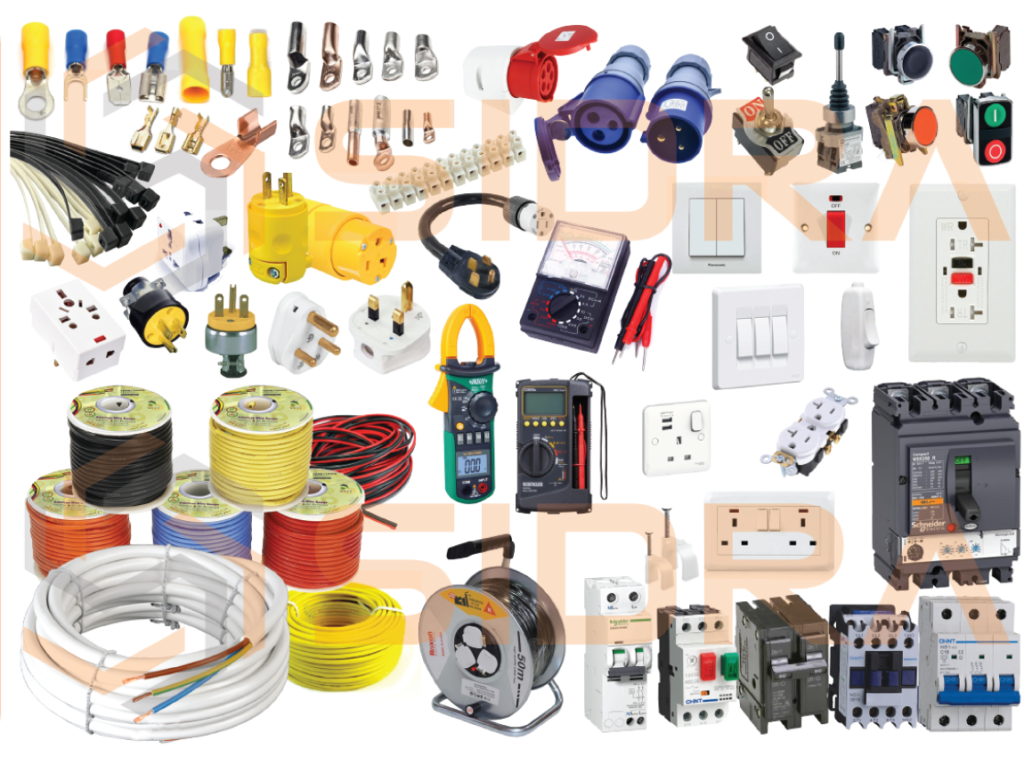
Introduction Market demand is constantly evolving, but certain product categories remain consistently essential. Understanding these categories helps businesses make smarter investment and inventory decisions. 1. Construction Materials Infrastructure development continues to drive demand for building materials. Key factors include: High-demand items: Construction supply remains one of the most stable and scalable business sectors. 2. Electronics & Appliances Demand for electronics is increasing due to modernization and lifestyle changes: High-demand items: Retailers benefit from consistent turnover in this category. 3. Food Commodities Food products are essential and always in demand. This category offers: High-demand items: Bulk supply is critical for distributors and retailers. 4. Why Diversification Matters Businesses that operate across multiple product categories benefit from: Diversification ensures stability even when one sector slows. 5. Aligning Supply with Demand Successful businesses don’t just react to demand—they anticipate it. This requires:
How Reliable Supply Chains Drive Business Growth in Somalia

Introduction In fast-moving markets, business performance often depends on one critical factor: supply chain reliability. When products arrive on time and in consistent quality, operations run smoothly. When they don’t, costs rise, customers leave, and growth stalls. For businesses in Somalia—especially in construction, retail, and distribution—a dependable supply chain is not optional; it is foundational. 1. The Real Cost of Supply Disruptions Unstable supply chains create hidden costs that compound quickly: A single delayed shipment can affect weeks of operations. Over time, these disruptions erode profitability. 2. Why Consistency Matters More Than Price While competitive pricing is important, consistency often delivers greater long-term value. Businesses that rely solely on the lowest-cost supplier frequently encounter: A consistent supplier enables accurate planning, stable pricing strategies, and predictable cash flow. 3. The Role of Global Sourcing Access to multiple sourcing regions reduces dependency risk. A diversified supplier network across Asia, the Middle East, Africa, and Europe provides: Global sourcing, when managed correctly, ensures continuity even in volatile markets. 4. Efficient Distribution as a Growth Lever Supply is only half the equation—distribution determines how quickly products reach the market. An efficient system includes: This reduces turnaround time and ensures that businesses can meet customer demand without delays. 5. Bulk Purchasing: Strategic Advantage Bulk buying is not just about volume—it’s about control: Businesses that adopt bulk purchasing models often achieve better margins and operational stability. 6. Building Long-Term Supplier Partnerships Short-term transactions create uncertainty. Long-term partnerships create stability. The right supplier becomes an extension of your business, providing: